
Evaluation and conservative treatment for jaw pain, clicking, and stiffness at our Hillcrest office. We start with the simplest options that may bring relief.
TMJ/TMD Treatment in San Diego, CA
Jaw Pain Evaluation
Same-Day Consults
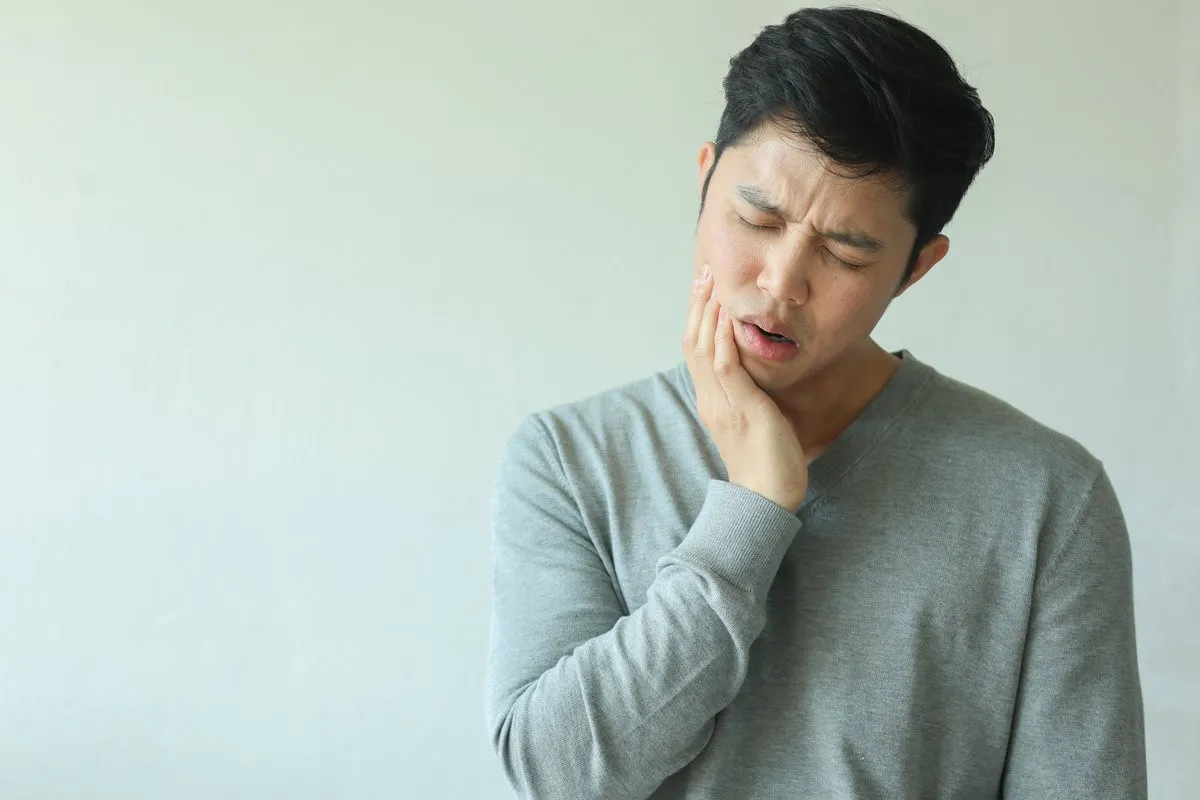
Temporomandibular disorders, often called TMJ or TMD, are a group of conditions that cause pain or trouble moving the jaw joint and the muscles that control chewing. You might feel an ache in front of your ear, tired jaw muscles, headaches near your temples, or a jaw that sticks when you open wide. According to the National Institute of Dental and Craniofacial Research, many TMDs last only a short time and go away on their own, and it recommends starting with conservative treatment.
At Sunrise Dental Arts in Hillcrest, Dr. Andy Keith evaluates jaw pain, explains what is likely behind it, and helps you choose care that fits your symptoms. TMJ treatment is one part of our dental services, and we will tell you if another provider, such as a physical therapist, could also help.
Request Appointment

What Causes TMJ and TMD Pain?
There are more than 30 kinds of temporomandibular disorders. Some involve the joint itself, such as a disc problem or arthritis, some involve the chewing muscles, and some show up mainly as headaches. A person can have more than one at the same time.
Common Contributing Factors
An injury to the jaw can lead to TMD, but in many cases there is no single clear cause. Research suggests a mix of genetics, life stress, and how a person processes pain plays a part. Habits like daytime clenching, gum chewing, and nail biting can strain the muscles, and nighttime grinding can add to soreness. NIDCR also notes that current research does not support the long-held belief that a bad bite or braces cause TMD.
Symptoms of TMJ and TMD
Symptoms range from mild and occasional to constant. Clicking or popping without pain is common and usually needs no treatment. Signs that are worth an evaluation include the following.
- Jaw or Muscle Pain: aching in the jaw joint or chewing muscles, often the most noticeable symptom
- Pain That Spreads: discomfort that moves into the face, temples, or neck
- Stiffness or Locking: trouble opening fully, or a jaw that catches open or closed
- Painful Clicking: popping or grating in the joint that comes with pain
- Ear Symptoms: ringing, a full feeling, or dizziness without an ear infection
- Bite Changes: a sudden sense that your upper and lower teeth fit together differently
If several of these show up together, or pain lasts more than a few weeks, it is worth having your jaw checked.

How We Evaluate and Treat Jaw Pain
There is no single test for TMD. Dr. Keith starts with your history, asking where it hurts, when it started, and what makes it better or worse. He then checks your jaw muscles and joints for tenderness, listens for clicking, notes how wide you can open, and looks at your teeth for signs of clenching or grinding. Imaging may be recommended when the exam points to a problem inside the joint.
Conservative Treatment Comes First
Most jaw pain is managed without surgery or permanent changes to your teeth. Depending on your exam, your plan may include the following.
- Soft foods and a break from gum, ice, and other hard chewing
- Heat or cold on the jaw, combined with gentle stretching exercises
- Over-the-counter anti-inflammatory pain relievers, used as directed
- Habit changes and stress management, plus physical therapy when needed
When clenching or grinding seems to be part of the picture, a custom night guard may help protect your teeth and ease muscle strain for some patients. NIDCR advises that an oral appliance should not permanently change your bite and that you should stop wearing it and call your dentist if it causes pain. We follow the same approach.
What If Conservative Care Does Not Help?
If symptoms continue or the exam suggests a joint problem, we explain what we found and refer you to a physician, oral surgeon, or other provider who treats complex jaw disorders. NIDCR recommends trying simpler treatments first and getting a second opinion before any procedure that changes the joint or bite.
Meet the Team
Dr. Andy Keith leads a small team that takes time to get to know each patient, including your concerns, your preferences, and what you want from your dental care. As your dedicated Hillcrest dentist and support staff, we work together to keep visits comfortable and on schedule from check-in to follow-up.
We explain what we see in plain language and make sure your questions are answered before any treatment begins. If something about a visit worries you, tell us, and we will work with you to make it easier.

Services
Our Sunrise Dental Arts Care Process
- Initial Consultation
- Customized Treatment Plan
- Implementation of Treatment
- Aftercare & Maintenance Tips
- Follow-Up
Initial Consultation
Your visit starts with a conversation about your jaw pain, headaches, and habits like clenching or gum chewing. Dr. Keith then examines your jaw joints, chewing muscles, and teeth, and may recommend imaging if the joint itself seems involved.
Customized Treatment Plan
Your plan starts with conservative steps matched to your symptoms. We explain what each option is meant to do and how long to try it before we check your progress.
Implementation of Treatment
If a custom appliance is part of your plan, we take impressions and fit it so your bite stays the same. Other steps, like jaw exercises and habit changes, can start at home right away.
Aftercare & Maintenance Tips
Use heat or cold as directed, choose softer foods during flare-ups, and notice when you clench during the day. Stop wearing any appliance and call us if it makes your pain worse.
Follow-Up
We check in after a few weeks to see what has changed. If your symptoms are not improving, we adjust the plan or refer you to another provider for further evaluation.
Testimonials

When to Call About Jaw Pain
Call us if jaw pain lasts more than a couple of weeks, keeps coming back, or makes it hard to chew, talk, or open your mouth. A jaw that suddenly locks open or closed should be checked promptly. If jaw pain comes with chest pain or shortness of breath, or follows a serious injury, seek emergency medical care first.
We take time to go through your symptoms and explain your options in plain terms, without pushing treatment that permanently changes your teeth or bite. We are in-network with Delta Dental and can bill most other PPO plans out-of-network, and we offer financing through Cherry and CareCredit.
Schedule Your TMJ/TMD Consultation at Sunrise Dental Arts
Dr. Andy Keith sees patients with jaw pain at 3645 Fourth Avenue in Hillcrest, Monday through Wednesday from 8 a.m. to 5 p.m. and Thursday from 7 a.m. to 3:30 p.m. Bring a list of your symptoms, when they started, and anything you have already tried, since those details help shape your plan. You can also read more about Dr. Keith before your visit.
Reach out through our contact form or call (619) 291-2980 to schedule a TMJ evaluation.
Request Appointment
TMJ and TMD FAQs
What Is the Difference Between TMJ and TMD?
TMJ is the temporomandibular joint itself, the hinge in front of each ear that connects your lower jaw to your skull. TMD stands for temporomandibular disorder, the conditions that cause pain or problems in that joint and the chewing muscles. Many people use TMJ to mean both.
Will My TMJ Pain Go Away on Its Own?
It may. Many temporomandibular disorders are short-term and ease with simple self-care, such as soft foods, heat or cold, and resting the jaw. If pain lasts more than a few weeks, keeps returning, or limits how you eat or talk, schedule an evaluation.
Does Jaw Clicking Mean I Have TMD?
Not necessarily. Clicking or popping without pain is common and usually does not need treatment. Clicking that comes with pain, locking, or trouble opening your mouth is worth having checked.
Will I Need Surgery for TMJ?
Most people do not. Conservative care, such as self-care, physical therapy, medication, and sometimes an oral appliance, is the usual starting point. Procedures that change the jaw joint or bite are reserved for specific cases, and getting more than one opinion first is wise.
Does Insurance Cover TMJ Treatment?
Coverage varies widely. Some dental or medical plans help pay for part of an evaluation or an oral appliance, while others exclude TMJ care. Our team can review your PPO benefits with you, and financing is available through Cherry and CareCredit.
