
Tooth-colored resin that repairs chips, closes small gaps, and reshapes uneven teeth, often in one visit at our Hillcrest office.
Dental Bonding in San Diego, CA
Single-Visit Treatment
New Patients Welcome

Dental bonding is a cosmetic treatment in which tooth-colored composite resin is shaped directly onto a tooth to repair a chip, close a small gap, cover a stain, or even out a tooth that looks short or misshapen. Because little or no enamel is removed and there is no lab step, a bonded tooth is often finished in a single appointment.
Bonding is one of the cosmetic dentistry treatments Dr. Andy Keith provides at Sunrise Dental Arts in Hillcrest, and he uses it to change the look of healthy teeth. If a tooth has a cavity, that is a different job, and our tooth-colored fillings page explains how we repair decay with a similar material.
Request Appointment


What Is Dental Bonding?
Bonding uses the same family of composite resin as a tooth-colored filling, but the goal is appearance rather than treating decay. Dr. Keith picks a resin shade that matches your tooth, lightly roughens the surface so the resin can grip, then applies, sculpts, and hardens it with a curing light before polishing it to match the teeth around it. The Cleveland Clinic describes bonding as a way to change the shape, size, or color of a tooth and notes that, unlike porcelain veneers, it is reversible.

What Bonding Can Change

Indirect Bonding
Some restorations are made outside the mouth first. With indirect bonding, a porcelain restoration is made in a dental lab to fit a prepared tooth and then bonded in place with the same kind of resin used for direct bonding. The lab step allows extra time to refine color and fit, which can help with larger repairs on front teeth.
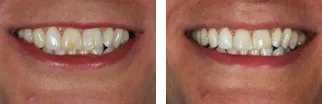
Direct bonding can smooth rough enamel and cover fine surface cracks on front teeth.
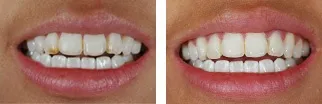
Resin bonding can cover yellow or uneven stains on front teeth, often in a single visit.
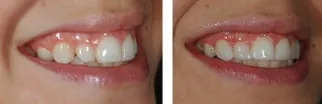
Resin can reshape a small or misshapen tooth after orthodontic treatment.
What Happens at a Bonding Visit
Talking Through the Change
We look at the tooth or teeth you want to change and talk about the shape you have in mind. If decay or gum problems are present, we treat those first, since bonding is placed on healthy enamel.
Shade Matching
Dr. Keith chooses a resin shade, or a blend of shades, to match the tooth next to it. If you plan to whiten, do it before bonding, because the resin keeps the color it is placed in.
Applying the Resin
The surface is lightly roughened and conditioned so the resin bonds well. Resin is then added in thin layers and hardened with a curing light. Most cosmetic bonding needs little or no numbing.
Shaping and Polishing
Once the resin is set, we trim and shape it to match your other teeth and polish it to a natural shine.
Bite Check and Care Tips
We check how your teeth meet when you bite and slide your jaw, then go over care. Avoid biting ice, pens, or fingernails with bonded teeth, and ask about a night guard if you grind.

Bonding Versus Veneers
Bonding and porcelain veneers fix many of the same problems. Bonding usually costs less, removes little or no enamel, and is done in one visit, but resin is less resistant to staining and chipping than porcelain.
Veneers take a few visits and remove a thin layer of enamel, but they tend to hold their color and shape longer. For one or two small fixes, bonding is often the sensible choice. For changing the look of several front teeth at once, Dr. Keith may suggest veneers or a smile makeover plan.

Book a Bonding Visit in Hillcrest
If a chip, gap, or uneven edge has been bothering you, a short consultation will tell you whether bonding can fix it and how many teeth are involved. Same-day consultations are often available.
Call (619) 291-2980 or fill out our contact form to schedule. We are in-network with Delta Dental and can bill most other PPO plans out-of-network, and we offer financing through Cherry and CareCredit.
Request Appointment
Frequently Asked Questions
How long does dental bonding last?
Bonding often lasts several years before it needs a touch-up or replacement, depending on where it is and how you treat it. Bonding on front teeth that do not take heavy biting force tends to last longer, and a night guard helps if you grind.
Does dental insurance cover bonding?
It depends on why it is done. Many plans pay toward bonding that repairs a broken tooth but not toward purely cosmetic changes such as closing a gap. We can check your benefits before treatment and explain what you would owe.
Does dental bonding hurt?
Usually not. Cosmetic bonding is done on the outer surface of the tooth, so many patients do not need numbing at all. If the tooth is sensitive or the repair is larger, we can use local anesthetic.
How long does dental bonding take?
A single tooth can often be bonded in one appointment, and several teeth may take a longer visit. There is no lab step, so you leave with the finished result the same day.
Can dental bonding be whitened?
Composite bonding material maintains its original shade and won’t lighten with whitening treatments. For patients wanting whiter teeth, we recommend completing any whitening procedures first. We then match new bonding to your brightened smile. Existing bonding can be removed and replaced with lighter material to match whitened natural teeth.
Is dental bonding permanent?
No. Bonding is durable but not permanent, and most bonded areas need a touch-up or replacement at some point. We check your bonding at regular visits and let you know when it is starting to wear.
