
A quick, painless check of your mouth, throat, and neck for early warning signs, done during your routine exam at our Hillcrest office.
Oral Cancer Screenings in San Diego, CA
Early Detection
Physical Exam
Same-Day Consults
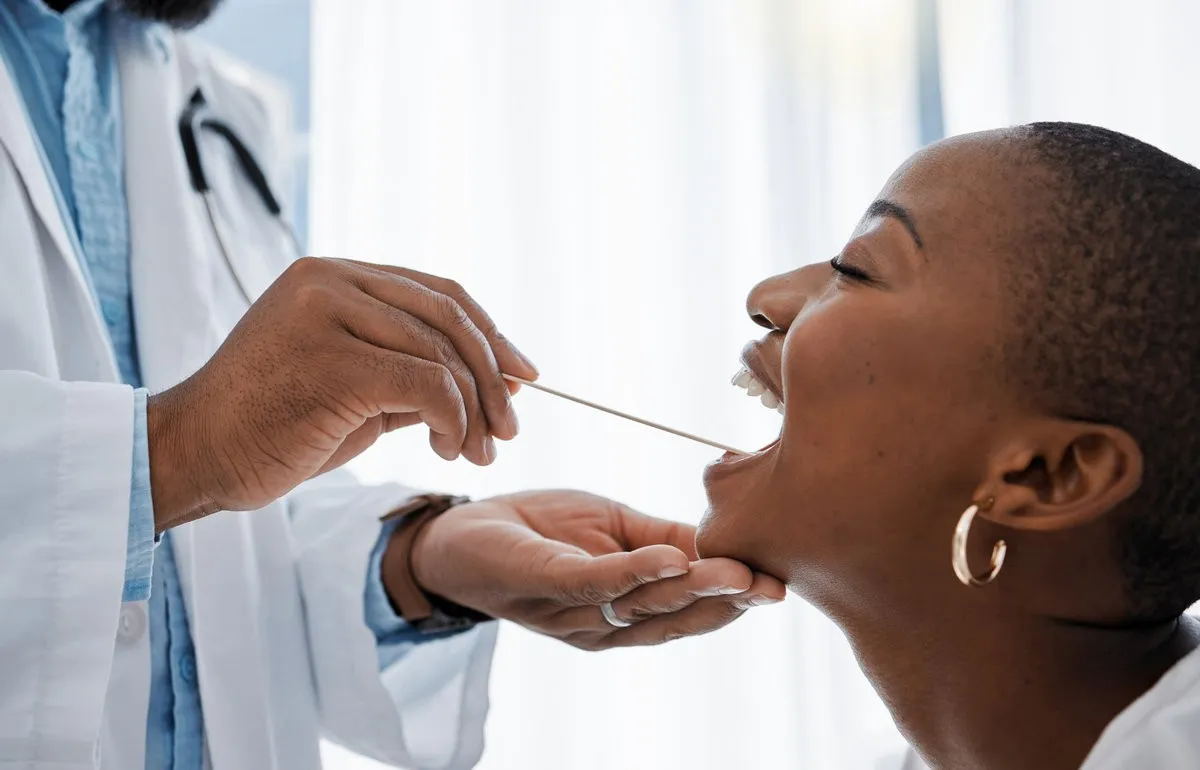
An oral cancer screening is a short visual and hands-on exam of your mouth, lips, throat, jaw, and neck that looks for sores, patches, or lumps that should not be there. It is painless, takes only a few minutes, and is done as part of a regular dental checkup. Many unusual spots turn out to be something harmless, like irritation from a sharp tooth, but the screening makes sure anything out of the ordinary gets a closer look early.
At Sunrise Dental Arts in Hillcrest, Dr. Andy Keith includes this screening in comprehensive exams as part of our preventive dental care. Because we see most patients once or twice a year, we can notice changes in your mouth over time, which a one-time check cannot do.
Request Appointment

What Happens During an Oral Cancer Screening?
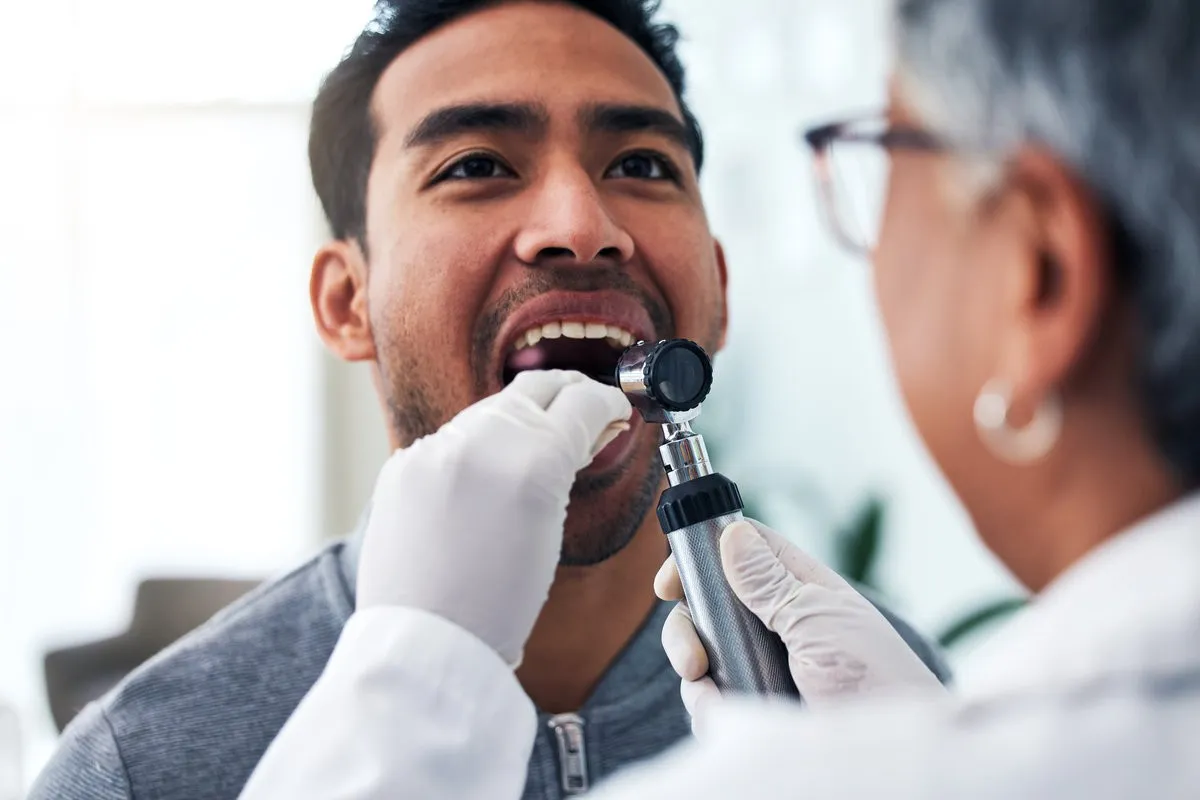
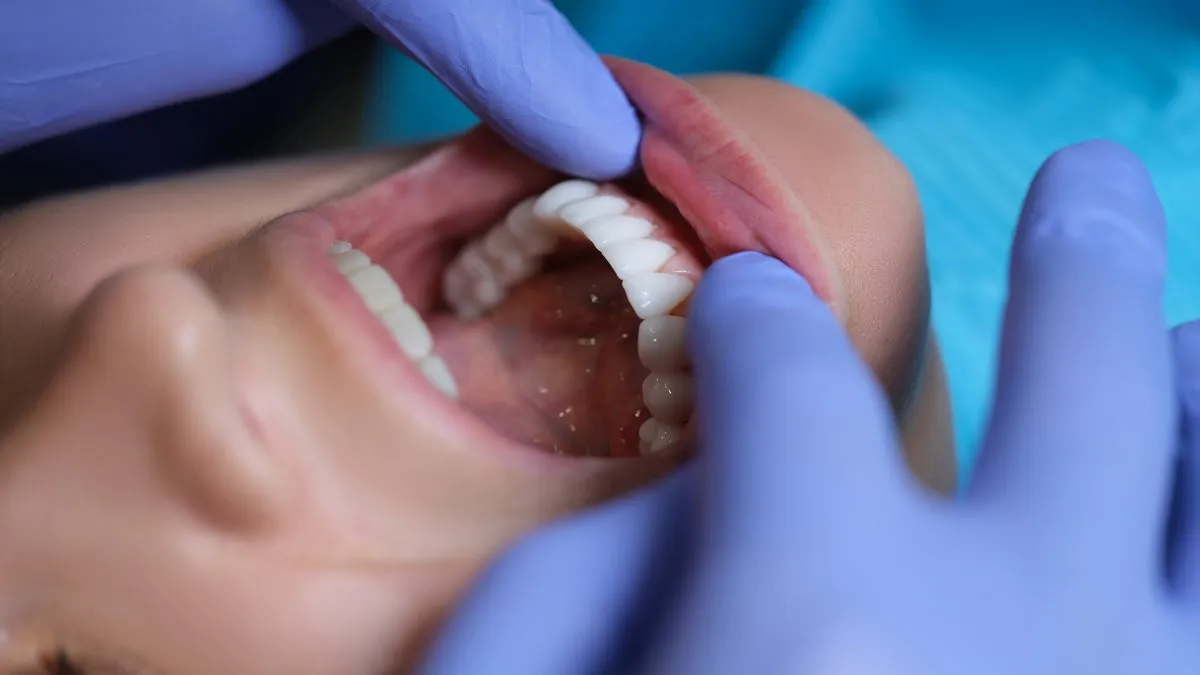
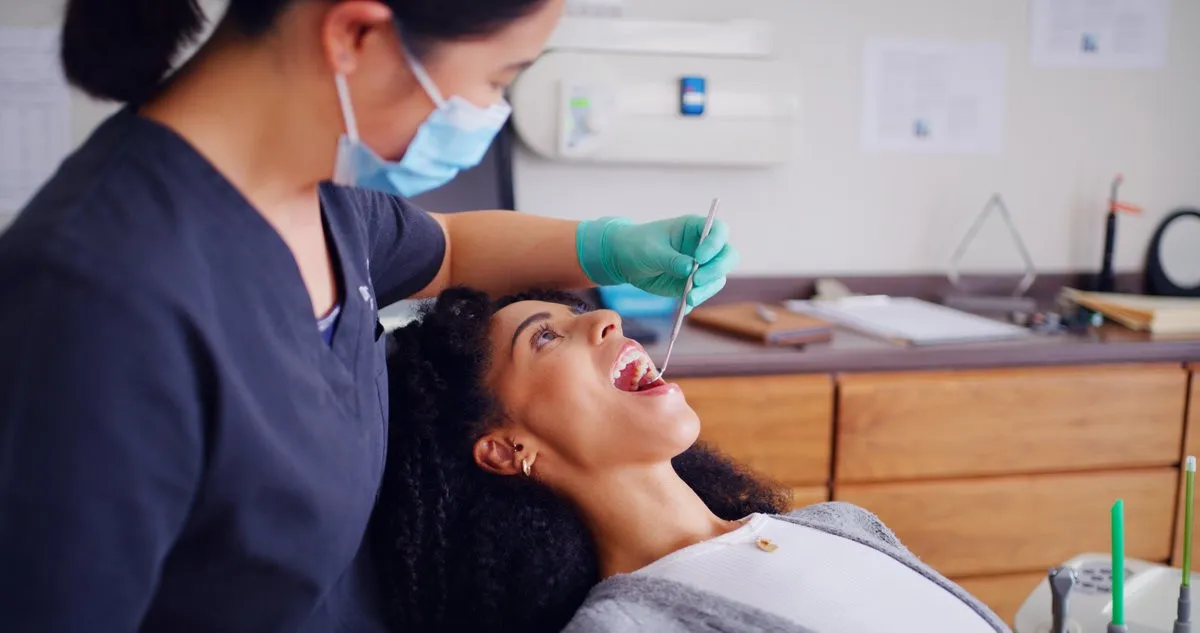
Dr. Keith looks at the inside of your lips and cheeks, your gums, the roof and floor of your mouth, and all sides of your tongue, gently holding it with gauze to see the edges and underside. He then looks toward the back of your throat and feels along your jaw and neck for lumps, swelling, or tender spots. If you wear a denture or partial, we ask you to take it out so no area is missed.
What We Look For
We check for red or white patches, sores that have not healed, thick or rough areas, and lumps. The National Institute of Dental and Craniofacial Research advises seeing a dentist or doctor if symptoms like these last more than two weeks, and notes that oral cancer accounts for roughly three percent of all cancers diagnosed in the United States each year.
An unusual finding does not mean you have cancer. Depending on what we see, we may ask you to come back in a couple of weeks to check whether a spot has healed, or we may refer you for a biopsy or further testing.
Risk Factors We Ask About
Every adult can benefit from a screening, but some factors raise the risk. Tobacco in any form, including cigarettes, cigars, e-cigarettes, and chewing tobacco, is a major one, and heavy alcohol use adds to it, especially when the two are combined. Infection with certain types of HPV is linked to cancers at the back of the throat, too much sun can affect the lips, and risk also rises with age, most often after 40.
Some people with oral cancer have none of these risk factors, which is one reason we screen everyone. Tell us about any change you have noticed, even a small one, such as a sore that keeps coming back, hoarseness that will not go away, or a denture that suddenly fits differently.
Meet the Team
Dr. Andy Keith leads a small team that takes time to get to know each patient, including your concerns, your preferences, and what you want from your dental care. As your dedicated Hillcrest dentist and support staff, we work together to keep visits comfortable and on schedule from check-in to follow-up.
We explain what we see in plain language and make sure your questions are answered before any treatment begins. If something about a visit worries you, tell us, and we will work with you to make it easier.
Services
Our Sunrise Dental Arts Care Process
- Initial Consultation
- Customized Treatment Plan
- Implementation of Treatment
- Aftercare & Maintenance Tips
- Follow-Up
Initial Consultation
At your visit we ask about tobacco and alcohol use, any past HPV diagnosis, and any sores or changes you have noticed. These questions are routine, and your answers help us know where to look most closely.
Customized Treatment Plan
If the screening is normal, nothing more is needed until your next exam. If a spot looks unusual, Dr. Keith explains what he sees and whether to watch it for a short time or have it checked further.
Implementation of Treatment
When a spot needs more than watching, we refer you to the right provider for a biopsy or more testing and share our findings with them, so you do not have to start from scratch.
Aftercare & Maintenance Tips
Between visits, avoiding tobacco and limiting alcohol are two of the most helpful steps you can take. Use lip balm with sunscreen outdoors, and check your mouth in the mirror now and then for sores that do not heal.
Follow-Up
At each checkup we compare your mouth to what we saw last time. If you were referred for testing, we will ask how it went and note the results in your chart.
Testimonials
Signs to Watch for Between Visits
You know your mouth better than anyone, so a quick look in the mirror now and then can help. Call us if any of these last longer than two weeks: a sore, lump, or thick patch, a white or red patch, ongoing throat soreness or hoarseness, trouble chewing or swallowing, or numbness in your tongue or mouth.
Why Regular Screenings Help
Oral cancer can spread quickly, so finding it early matters. Screening at your regular dental exam builds a record of what is normal for you, which makes a new patch or lump easier to spot.
If you are due for a checkup, the screening simply happens as part of the visit, along with your dental cleaning. There is no separate appointment to remember.
Schedule Your Oral Cancer Screening in Hillcrest
Dr. Andy Keith and our team see patients at 3645 Fourth Avenue in Hillcrest, Monday through Wednesday from 8 a.m. to 5 p.m. and Thursday from 7 a.m. to 3:30 p.m. Screenings are part of our comprehensive exams. We are in-network with Delta Dental and can bill most other PPO plans out-of-network.
If you have noticed a spot that has not healed, do not wait for your next checkup. Request an appointment online or call (619) 291-2980, and tell us what you have noticed so we can make time to look at it.
Request Appointment
Oral Cancer Screening FAQs
How Long Does an Oral Cancer Screening Take?
Only a few minutes. It is done during your regular dental exam, so it usually does not require a separate appointment.
Does an Oral Cancer Screening Hurt?
No. Dr. Keith looks inside your mouth and gently feels your jaw, neck, and the tissues in your mouth. There are no needles or cutting involved in the screening itself.
What Happens If You Find Something Unusual?
An unusual spot does not mean you have cancer, and many are caused by irritation or minor injuries. Depending on what we see, Dr. Keith may ask you to return in about two weeks to see if it has healed, or he may refer you for a biopsy or further testing.
Who Should Get an Oral Cancer Screening?
All adults can benefit. Your risk is higher if you use tobacco, drink heavily, have had HPV, spend a lot of time in the sun, or are over 40, but oral cancer can also affect people without these risk factors.
Is an Oral Cancer Screening Covered by Insurance?
The screening is part of a comprehensive dental exam, which many PPO plans cover. Our team can check your benefits before your visit. If you need further testing, coverage depends on your medical and dental plans.
