
Treatment for gingivitis and periodontitis that clears infection below the gumline and helps protect the bone that holds your teeth.
Gum Disease Treatment in San Diego, CA
Comprehensive Care
Sedation Available
Same-Day Consults

Gum disease is a bacterial infection of the gums and the bone that supports your teeth. In its early stage, called gingivitis, it causes red, swollen gums that bleed easily, and it can often be reversed with a professional cleaning and better daily care. If it advances to periodontitis, the gums pull away from the teeth and bone is lost, so treatment focuses on stopping the damage and keeping it under control.
Dr. Andy Keith and our team treat gum disease at every stage at our Hillcrest office as part of our restorative dentistry in San Diego. Early gum disease is often painless, so many people do not know they have it, which is why we check your gums at every exam.
Request Appointment
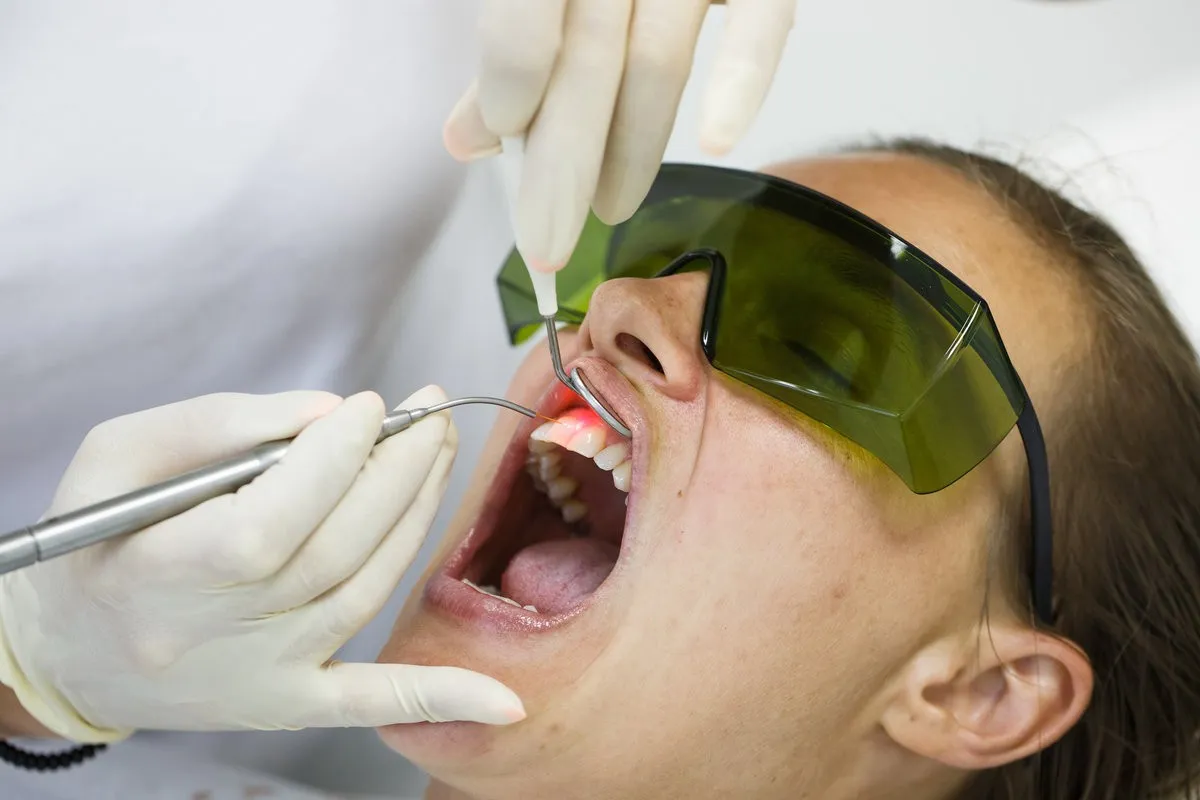

Signs and Risk Factors for Gum Disease
Bleeding when you brush or floss, gums that are red or puffy, bad breath that does not go away, gums that seem to be pulling back from the teeth, and teeth that feel loose or have shifted are all signs worth having checked.
Gum disease starts with plaque. The National Institute of Dental and Craniofacial Research (NIDCR) explains that plaque left on the teeth can harden into tartar, which only a professional cleaning can remove, and that the bacteria in plaque and tartar trigger the inflammation that damages the gums.
Who Is at Higher Risk
According to the NIDCR, smoking or using tobacco is the most significant risk factor, and it can also make treatment less successful. Older age, diabetes, genetics, and hormonal changes are also linked to gum disease.
Even with good brushing habits, tartar builds up in places a toothbrush cannot reach, which is why regular cleanings and exams matter.

How We Treat Gum Disease
Scaling and Root Planing
Scaling and root planing, often called a deep cleaning, is the main nonsurgical treatment for periodontitis. Scaling removes plaque and tartar from above and below the gumline, and root planing smooths the root surfaces so the gums can heal and fit more closely against the teeth.
The area is numbed first, and treatment is often split into sections of the mouth over one or more visits. If you are anxious or your gums are sensitive, nitrous oxide, oral conscious sedation, and IV sedation are available through our sedation dentistry.
Medication to Control Bacteria
Depending on the extent of the infection, a deep cleaning may be paired with medication, such as an antibiotic placed in the gum pockets or a prescription mouth rinse, to help control bacteria while the tissue heals.
Periodontal Maintenance
After active treatment, gum disease needs ongoing control. Periodontal maintenance cleanings are usually scheduled more often than standard cleanings, commonly every three to four months, so we can measure the gum pockets, remove new buildup, and catch any flare-up early.
When More Advanced Care Is Needed
If deep pockets or bone loss remain after nonsurgical treatment, surgical care such as pocket reduction or gum and bone grafting may be needed. We will explain what that involves and who would provide it.
When gum disease has already cost a tooth, or a tooth is too loose to save, we plan the next step with you. That may include a tooth extraction followed by a dental implant or bridge once the gums are healthy.
Meet the Team
Dr. Andy Keith checks your gums at every exam at Sunrise Dental Arts, explains what your pocket measurements and X-rays show, and builds a treatment plan around what he finds. He takes time to answer questions so you understand why each step matters. As your dedicated Hillcrest dentist, he and our support team keep your visits comfortable and on schedule from check-in to follow-up.
Our team helps you keep up with maintenance visits, checks your insurance benefits, and reviews home care with you, since steady care between visits makes a real difference with gum disease.

Services
Our Sunrise Dental Arts Care Process
- Initial Consultation
- Customized Treatment Plan
- Implementation of Treatment
- Aftercare & Maintenance Tips
- Follow-Up
Initial Consultation
Your first visit includes a full exam, X-rays, and measurement of the space between each tooth and the gum. These pocket measurements show where gum disease is active and how much support has been lost.
Customized Treatment Plan
We explain what stage your gum disease is in and which treatment fits, from a regular cleaning for gingivitis to scaling and root planing for periodontitis. You receive a cost estimate, and our team checks your insurance coverage.
Implementation of Treatment
Deep cleanings are done with the area numbed, often in sections over more than one visit. If you feel nervous or your gums are tender, sedation can be added to keep you comfortable.
Aftercare & Maintenance Tips
At home, brushing twice a day, cleaning between your teeth every day, and not smoking all help your gums heal. We show you the tools and techniques that work best for the spaces in your mouth.
Follow-Up
We re-measure your gums after healing to see how they responded, then set a maintenance schedule, often every three to four months, to keep the infection under control.
Testimonials
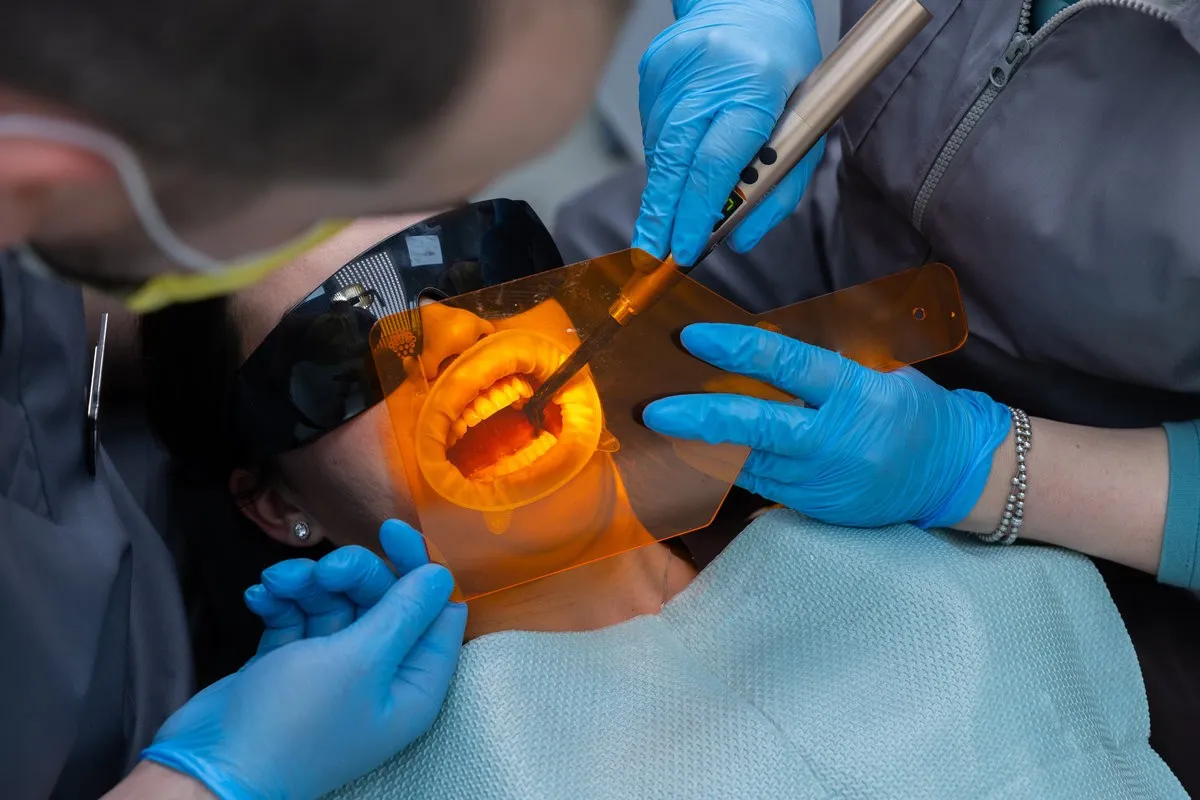
Gum Health and Your Overall Health
Gum disease does not only affect your mouth. The NIDCR lists diabetes as a risk factor for gum disease and notes that illnesses such as cardiovascular disease are also associated with it, and researchers continue to study how gum inflammation relates to the rest of the body.
If you have diabetes, are pregnant, or take medications that cause dry mouth, let us know. These can affect your gums, and we may suggest more frequent checkups.
Schedule a Gum Disease Consultation in San Diego
Bleeding, sore, or receding gums are worth checking sooner rather than later, since gum disease is easier to control when it is caught early. Dr. Andy Keith will examine your gums, explain what he finds, and walk you through treatment and cost. Our office is at 3645 Fourth Avenue in Hillcrest, open Monday through Wednesday from 8 a.m. to 5 p.m. and Thursday from 7 a.m. to 3:30 p.m.
We are in-network with Delta Dental and can bill most other PPO plans out-of-network. We also offer Cherry and CareCredit financing. Contact our office or call (619) 291-2980 to book your visit.
Request Appointment
FAQs
Can gum disease be reversed?
Gingivitis, the earliest stage, can often be reversed with a professional cleaning and good daily brushing and flossing. Periodontitis cannot be fully reversed, because lost bone usually does not grow back on its own, but treatment can stop it from progressing and help you keep your teeth.
Does a deep cleaning hurt?
We numb the area before scaling and root planing, so most patients feel pressure and vibration rather than pain. Your gums may be tender for a few days afterward. Sedation is available if you are anxious.
How often will I need periodontal maintenance?
Many patients with a history of periodontitis need maintenance cleanings every three to four months, though the right interval depends on how your gums respond. We set your schedule based on your pocket measurements.
Can loose teeth be saved?
Sometimes. Once gum disease is treated and inflammation goes down, some loose teeth may become more stable. Teeth that have lost too much bone may not be savable, and if that is the case, we will talk through replacement options with you.
Does insurance cover gum disease treatment?
Many PPO plans cover part of scaling and root planing and periodontal maintenance, though coverage and frequency limits vary. Our team can check your benefits before treatment, and Cherry and CareCredit financing can help with any remaining cost.
